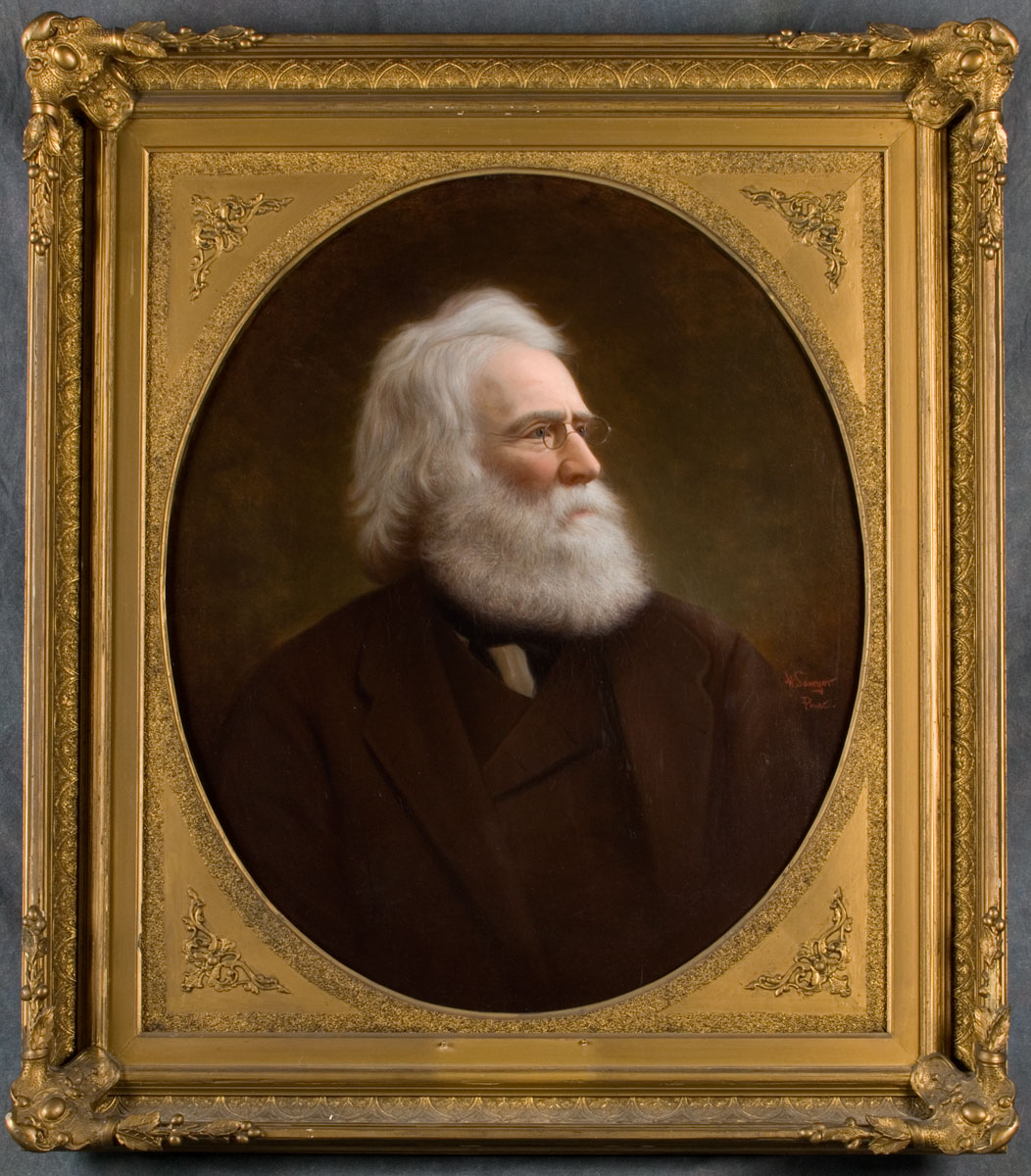
Montréal was at the heart of the economic and social changes that affected British North America in the 1800s.
The city became a centre of industry, finance and learning. By the mid-1800s, it was the largest city in the colonies. It attracted a steady flow of newcomers from Britain and rural Canada. As the population grew, through immigration and natural increase, it became more and more divided by class, language and culture.
A Centre of Finance, Industry and Learning
The combined forces of capitalism and industrialization transformed Montréal. Banks and insurance companies concentrated their activities in the city. A wide range of industries set up shops, mills and factories employing thousands of people.
These developments fuelled Montréal’s emergence as a centre of learning. The city boasted a major university, McGill, and a pre‑eminent scientific institution, the Geological Survey of Canada.
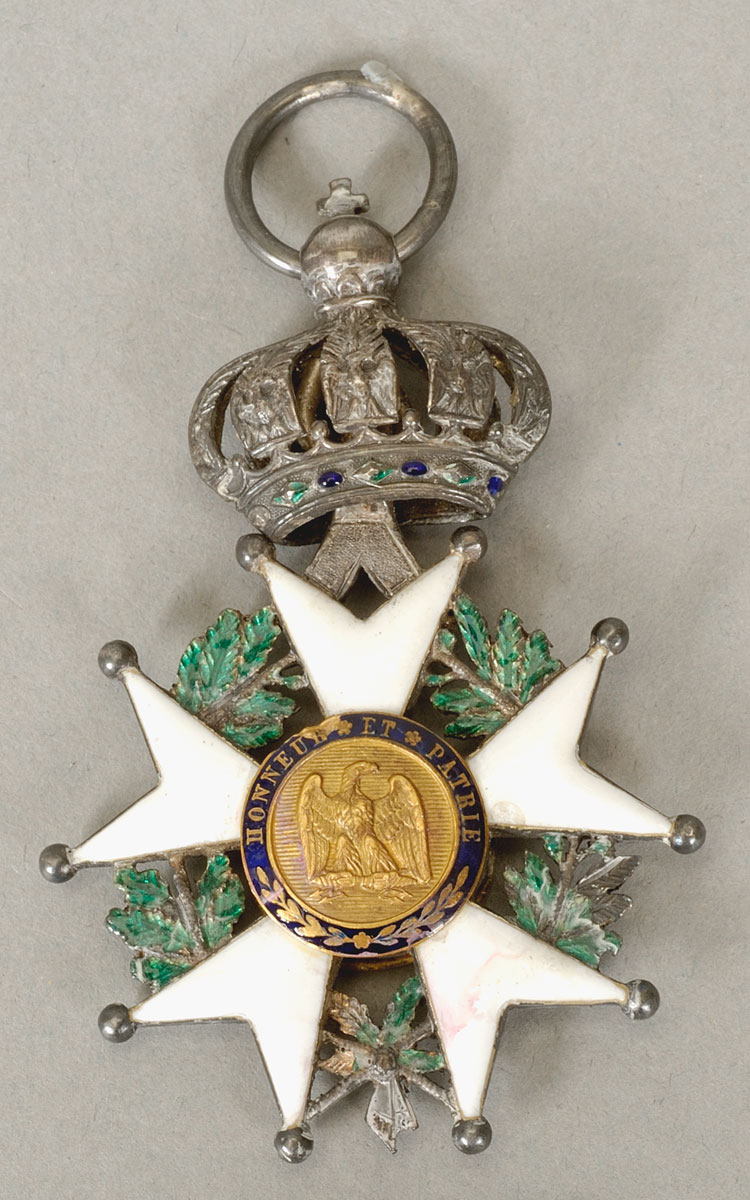
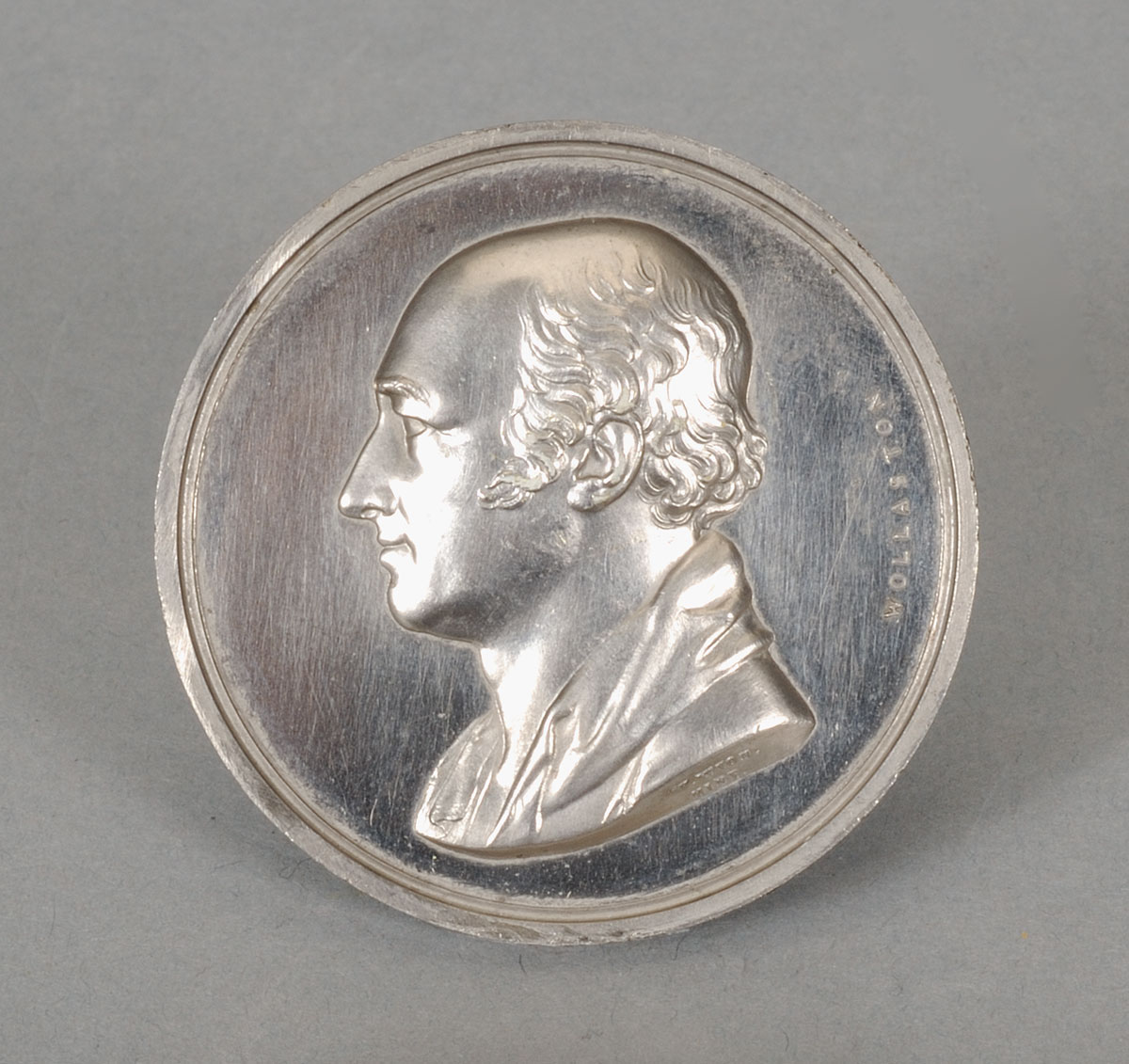
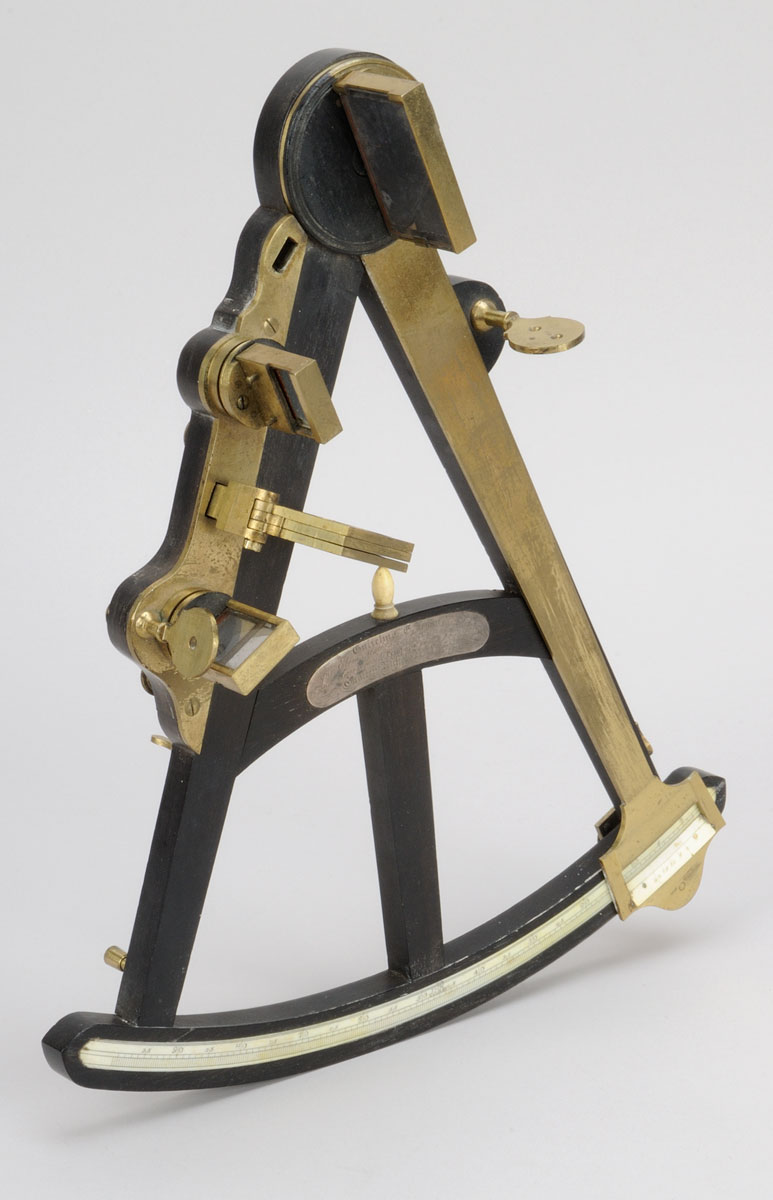
The GSC and the Canadian Museum of History
This museum traces its roots to the Geological Survey of Canada (GSC). In 1856, the GSC established a public museum in its Montréal headquarters. There it exhibited geological, archaeological, ethnographic and biological materials. Transferred, along with the GSC, to Ottawa in 1881, the museum eventually gave rise to the four national museum corporations that operate in the National Capital Region today, including the Canadian Museum of History.
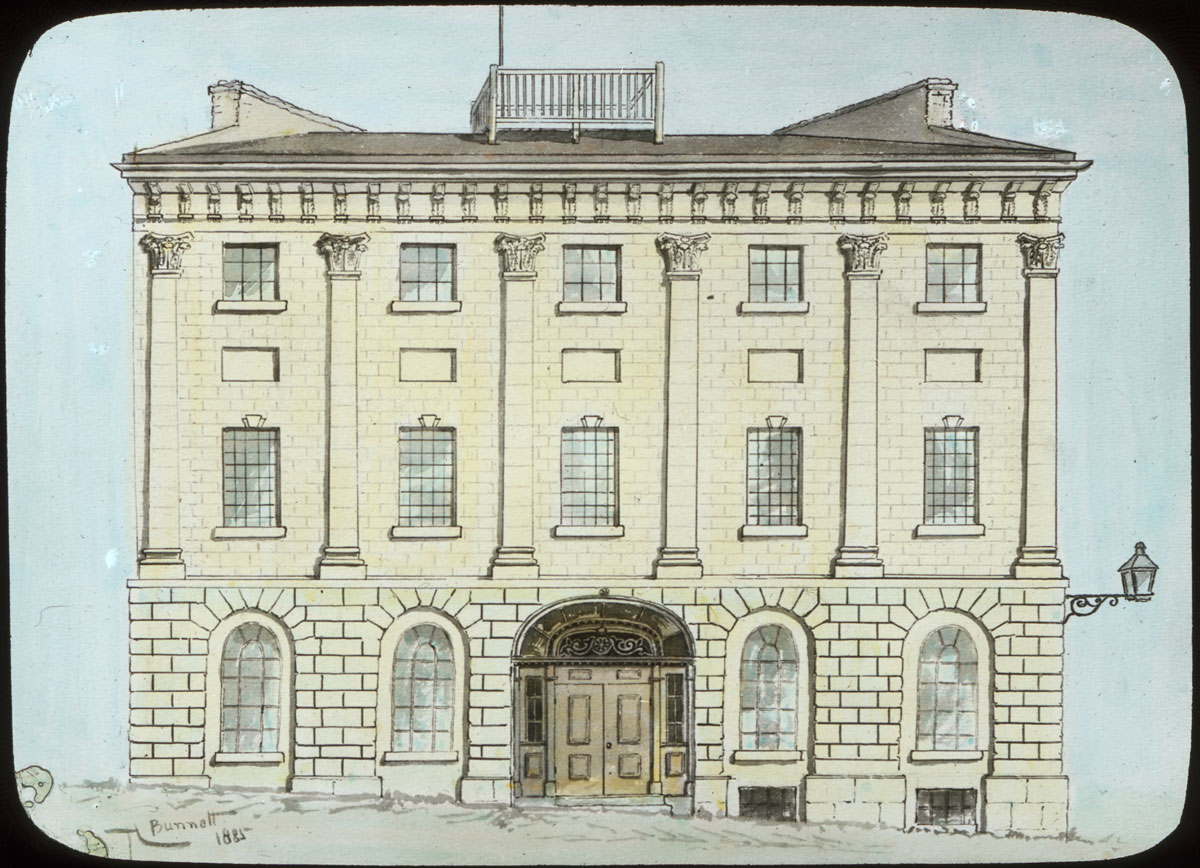
Sketch of the Geological Survey of Canada Building, Montréal
H. Bunnett, 1885
CMH, Archives, 69409 LS